Program
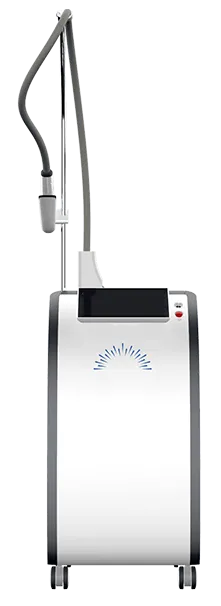
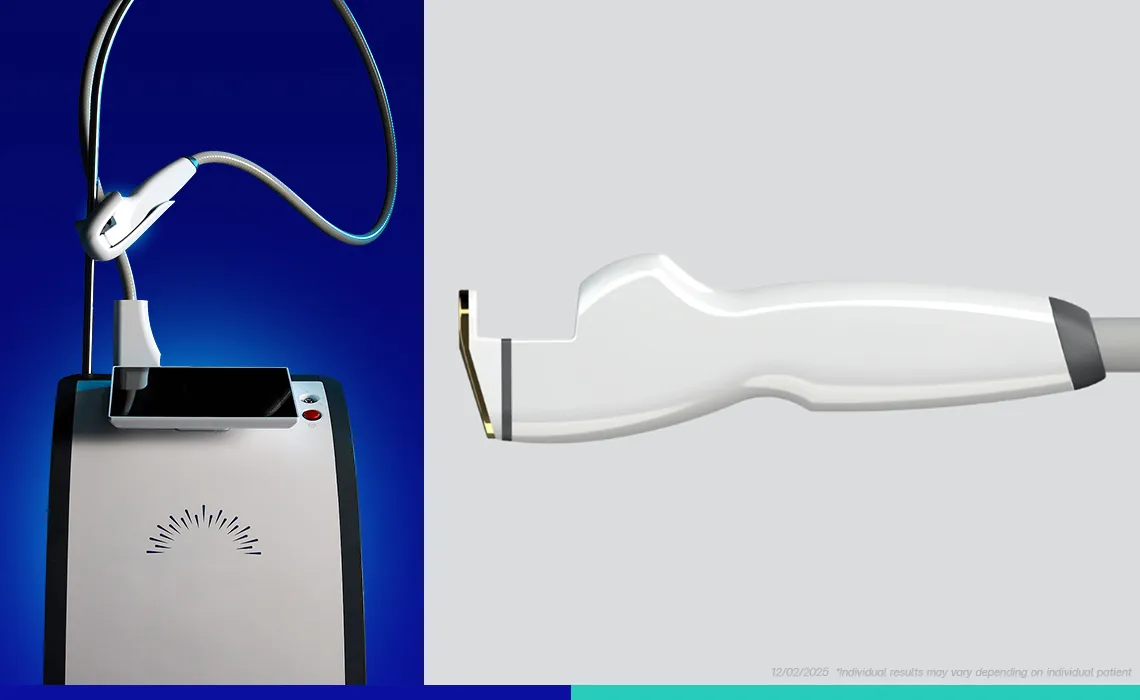
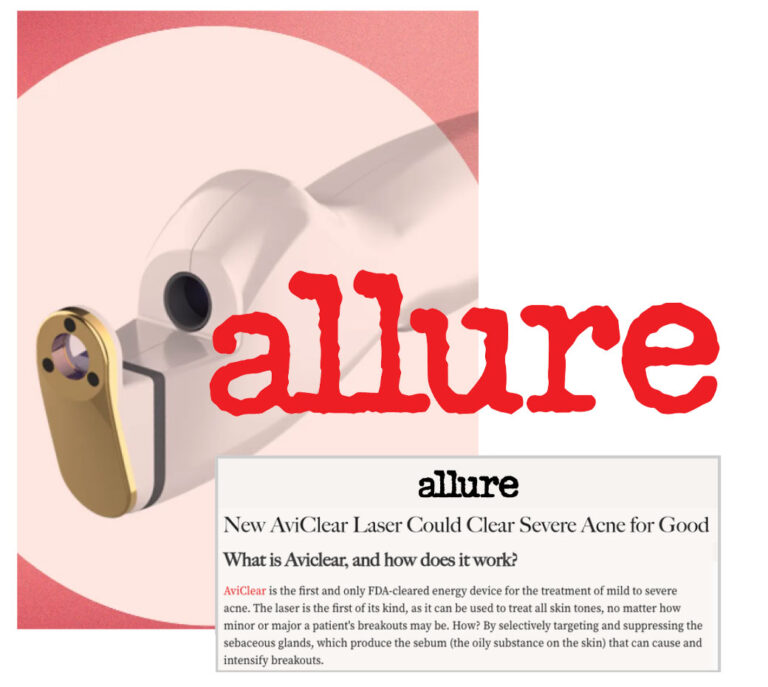
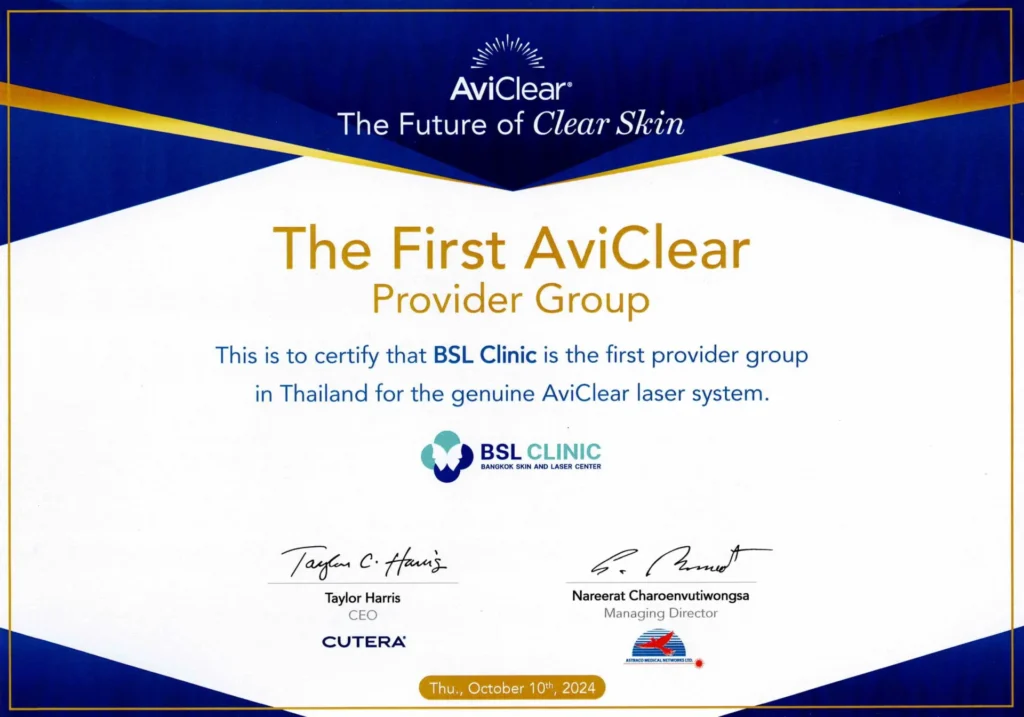
AviClear Laser
An energy-based option considered in acne care. It is used for individuals with mild to severe acne as part of an aesthetic treatment approach.
Table of content
*Individual results may vary depending on individual patient
Acne is a common dermatological concern, affecting approximately 85% of individuals between the ages of 12 and 24¹. Additionally, 42% of those over 25 years old and about 12% of individuals over 40 continue to experience acne². Beyond its physical effects, acne may also contribute to emotional distress and reduced self-confidence³. In some cases, acne may lead to long-term changes in skin texture⁴.
Therefore, we introduce the AviClear Program, an energy-based option considered in aesthetic care for individuals exploring long-term acne management approaches.
*Individual results may vary depending on individual patient
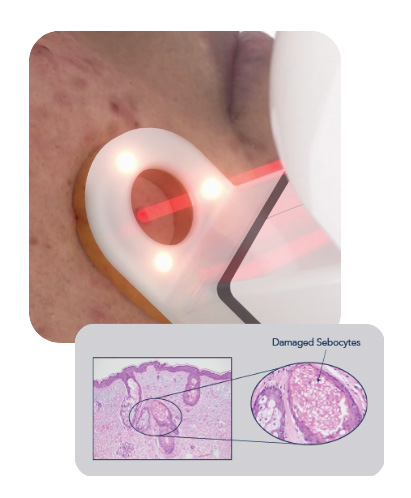
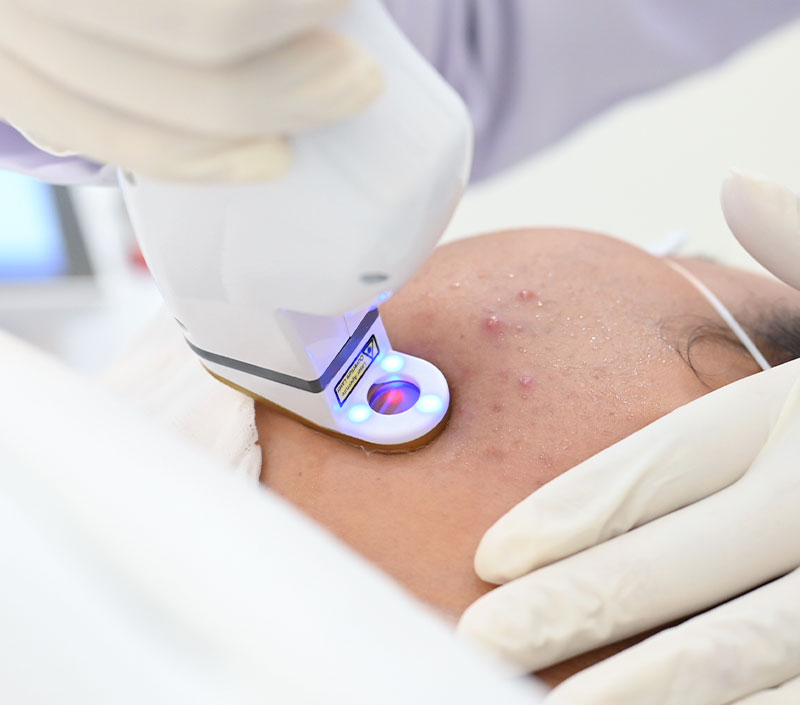
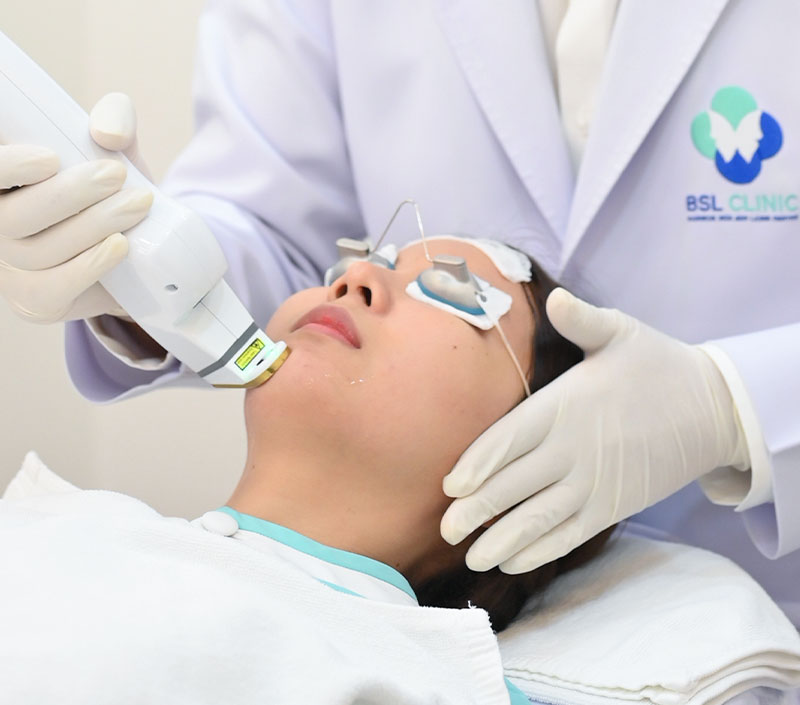
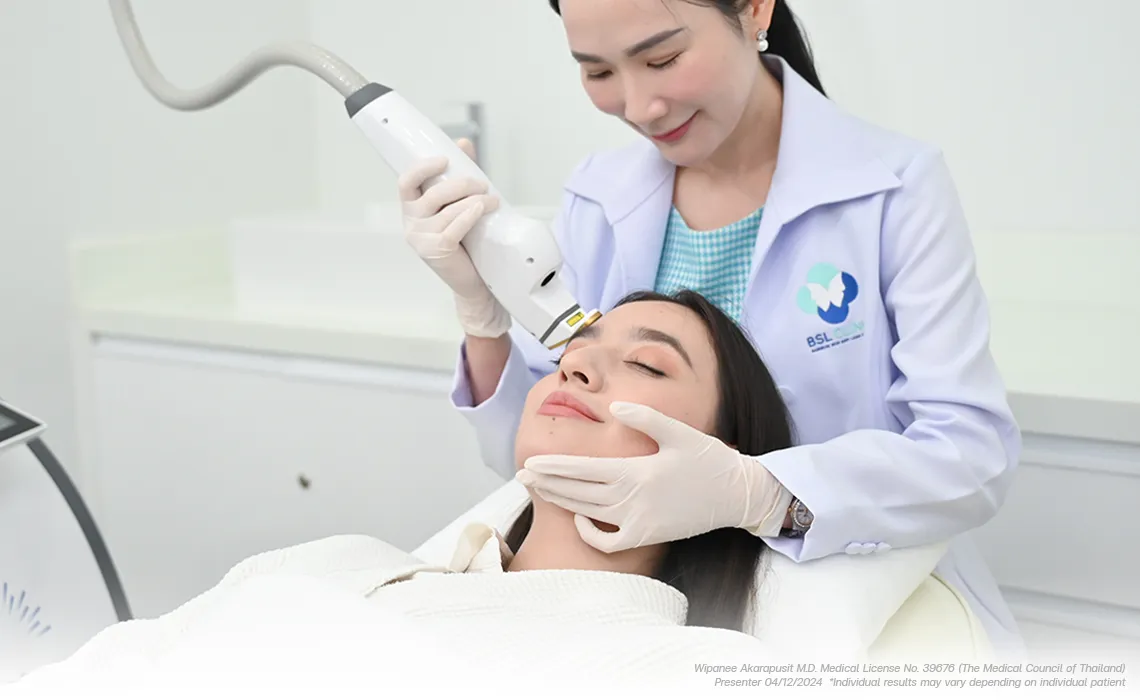
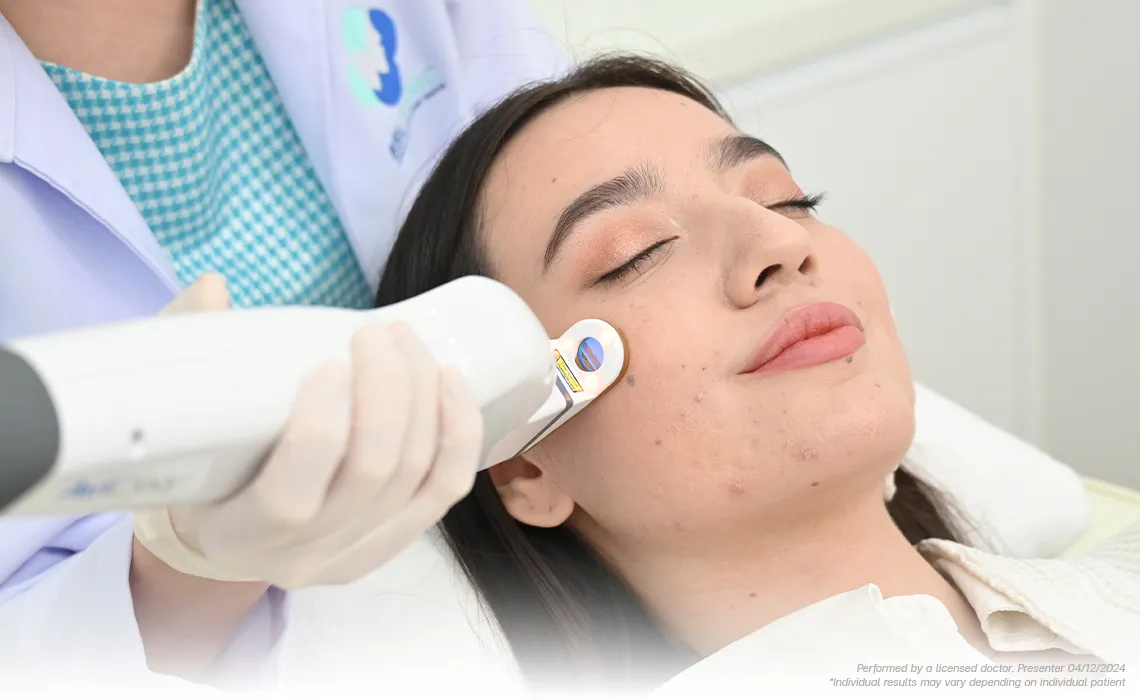
The AviClear Laser Program utilizes a 1726 nm wavelength as part of an energy-based approach in acne care. It is considered in aesthetic treatments for individuals exploring options related to acne concerns. This program is designed to focus on sebaceous gland activity, which plays a role in acne development.


Performed by a licensed doctor. Presenter
*Individual results may vary depending on individual patient
How does AviClear Program or 1726nm laser work?
To understand how the 1726 nm laser works, it is helpful to first explore how acne develops.
Acne occurs when sebum, an oily substance produced by sebaceous glands to help protect the skin, is overproduced and combines with dead skin cells, leading to clogged pores. The AviClear Laser Program is designed to use laser energy to focus on sebaceous gland activity, which plays a role in acne development. Following treatment, oil production may be reduced over time.
Benefits of AviClear Laser Program
Rarely of long term side effect
Chemical-Free
Medical Researches show Long-Lasting Results
All Skin Types
*Individual results may vary depending on individual patient
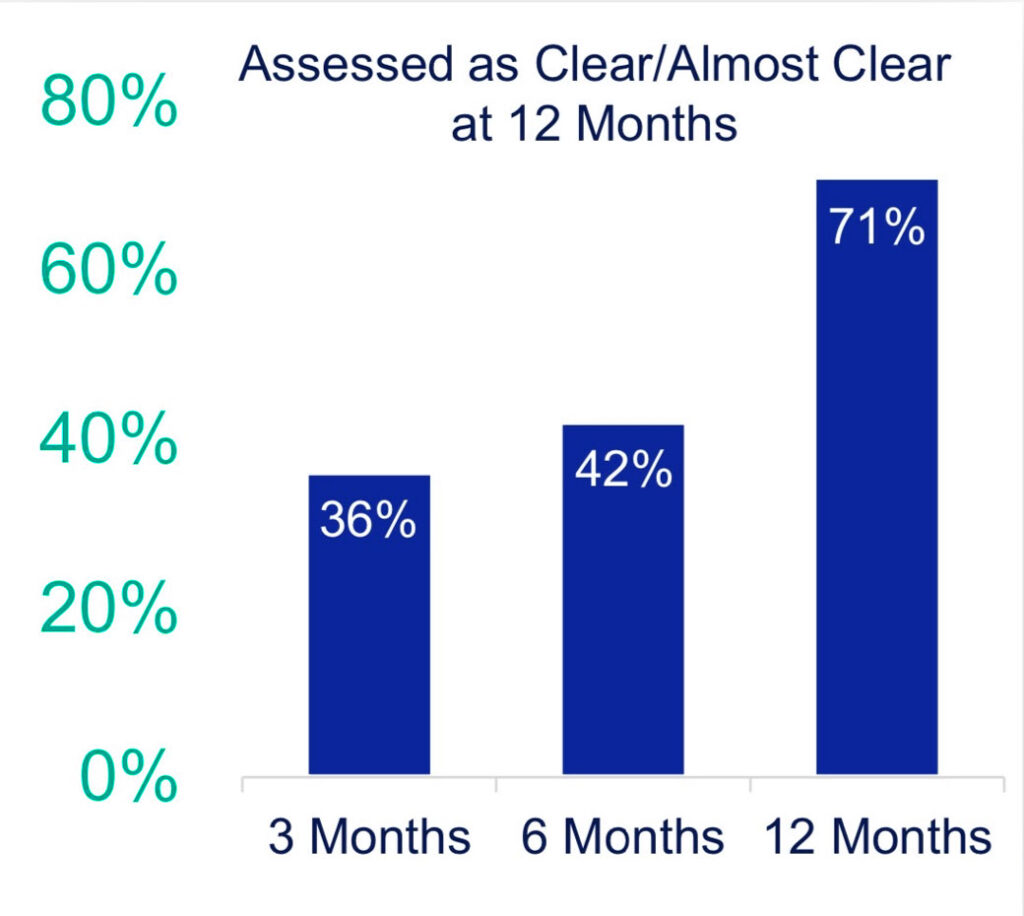
of inflamed acne has reduced after 3 treatment sessions and reduced continuously up to 2 years
*Individual results may vary depending on individual patient
of patients saw the acne resolve and the reduction of acne at 6 months after the final treatment.
*Individual results may vary depending on individual patient
of inflamed acne has reduced after 3 treatment sessions
*Individual results may vary depending on individual patient
of patients reported being satisfied with the results in clinical studies after the treatment.
*Individual results may vary depending on individual patient
*Data on file. Cutera, Inc
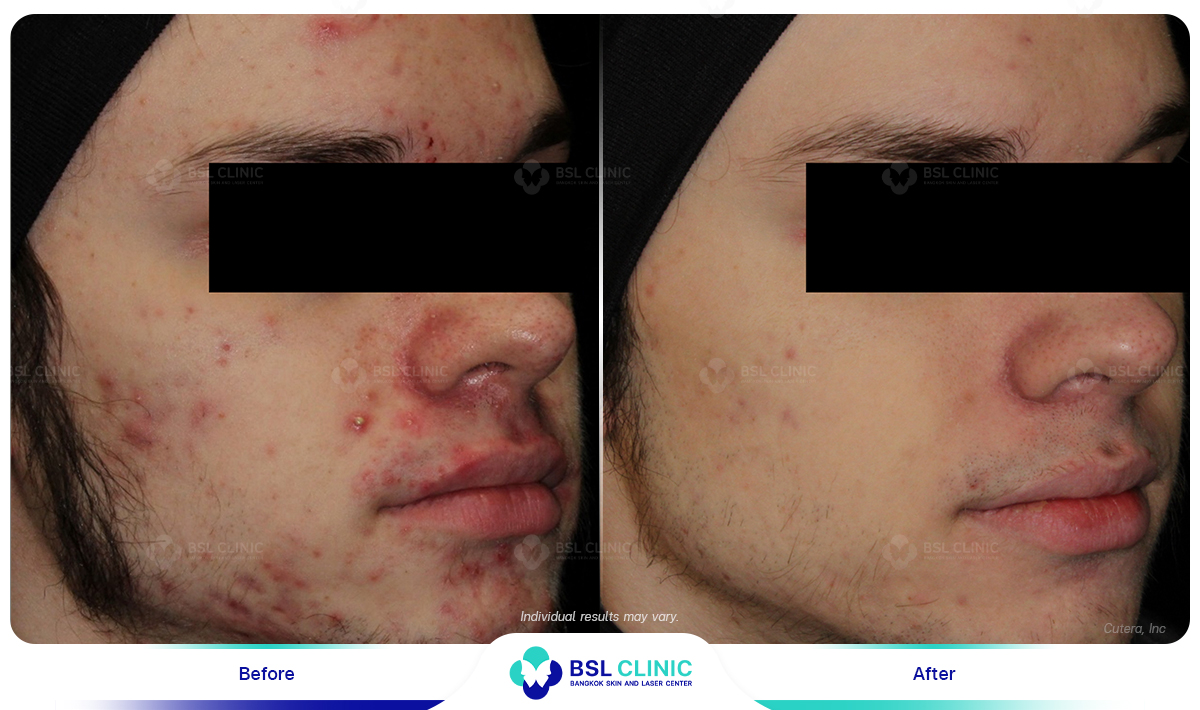
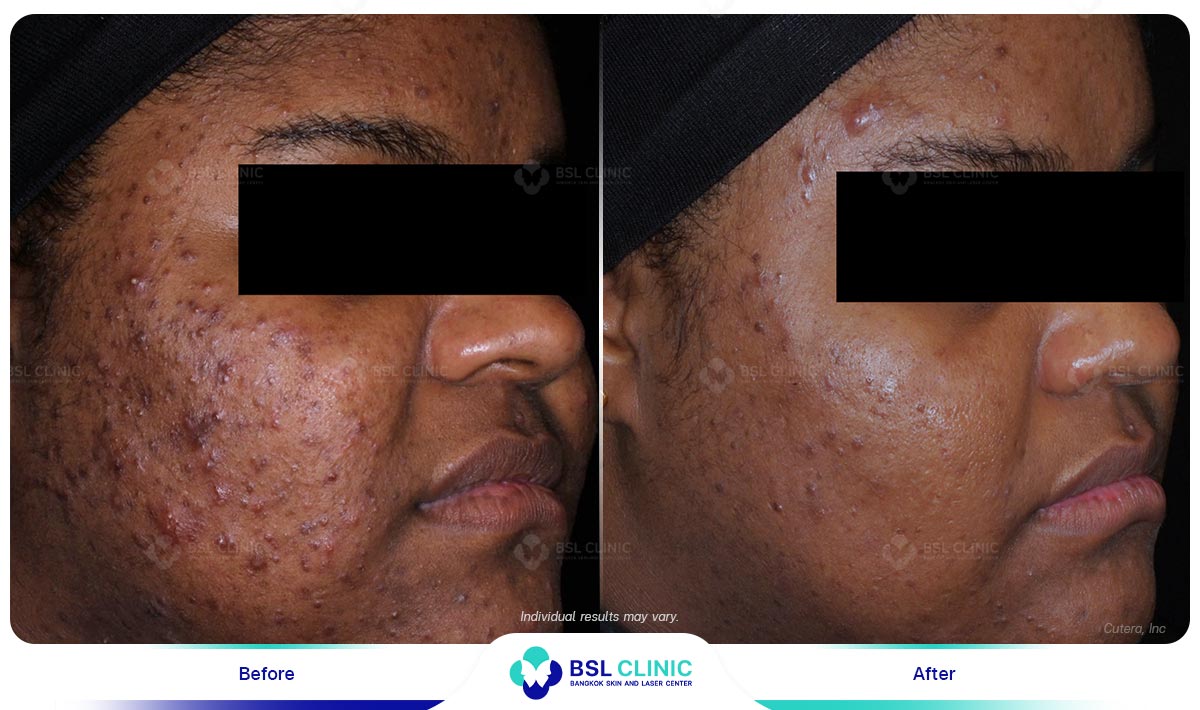
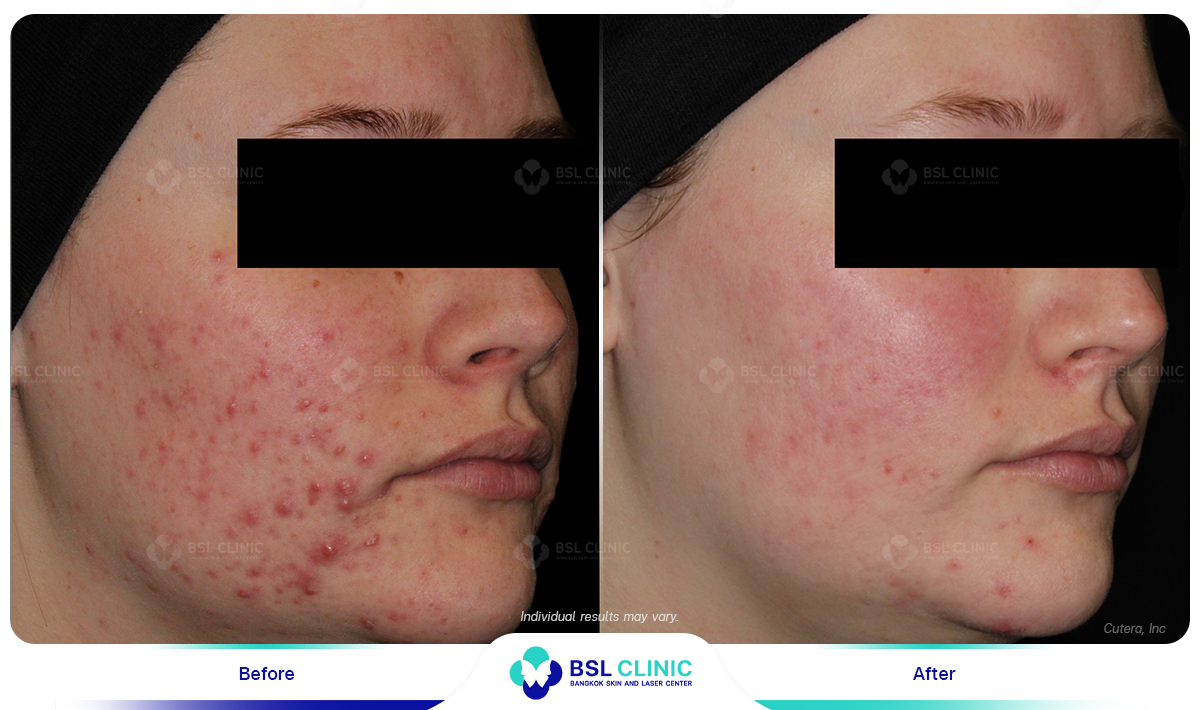
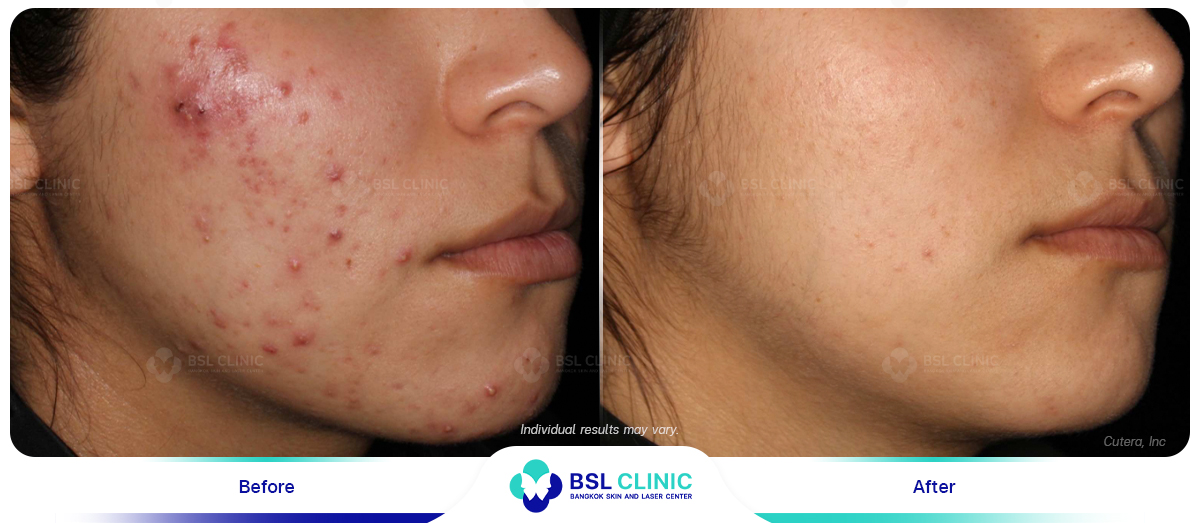
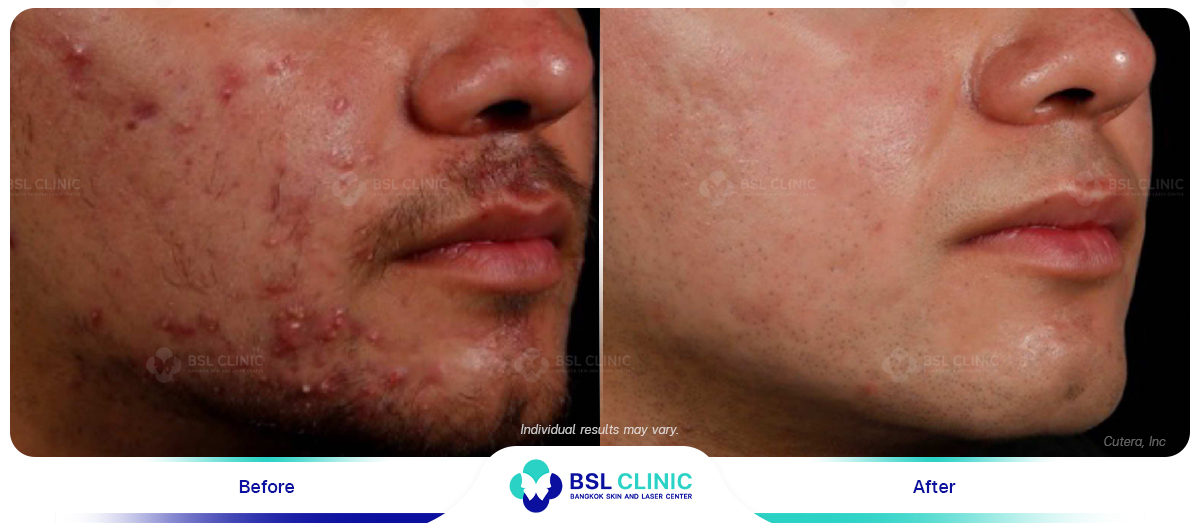
The results you would get from AviClear Laser program
Before and 6 Months After Treatment
*Individual results may vary depending on individual patient
Before and 6 Months After Treatment
*Individual results may vary depending on individual patient
Before and 6 Months After Treatment
*Individual results may vary depending on individual patient
Before and 12 Months After Treatment
*Individual results may vary depending on individual patient
Before and 12 Months After Treatment
*Individual results may vary depending on individual patient
Treatment with AviClear Laser Program at BSL Clinic has many benefits, including the following:
- The treatment is conducted by medical doctors as part of an approach for individuals exploring acne care options.
- A structured approach in acne care that incorporates laser technology as part of aesthetic treatment considerations.
- BSL Clinic provides acne care options for individuals with diverse skin types and tones. Treatments are considered based on individual needs and preferences.
- Patients who come for acne treatment at the BSL clinic are satisfy with the results and their acne improves.
- This treatment is considered for various types of acne and skin concerns, incorporating laser technology as part of an aesthetic care approach.
- This treatment is considered an option for individuals seeking acne care without oral medication, including those with certain health conditions, younger individuals, or those with concerns about medication use.
- It is a treatment suitable for patients who want to treat their acne in the long term and prevent their acne from recurring again.
- This treatment is considered an option in acne care with minimal interruption to daily activities. It may be explored by individuals looking for a treatment approach with considerations for recovery time and skin appearance post-treatment.
- It is a treatment suitable for patients who want their acne to subside and heal quickly with rarely side effects.
- It is a treatment that can treat all areas affected by acne, including the face and body.
- Individuals with persistent acne who are exploring long-term care options may consider BSL Clinic. If previous treatments have not met expectations, this approach may be an option to explore.
Pre-treatment Preparations for the AviClear Laser Program
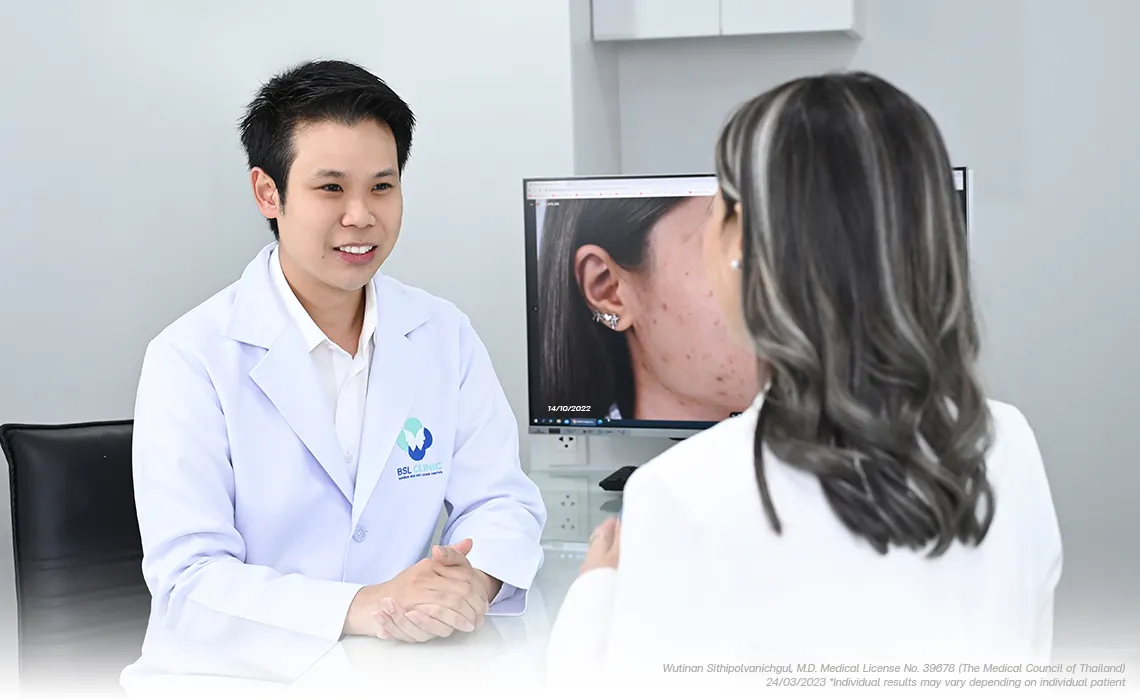
No specific pre-treatment preparations are required for the AviClear Laser Program. A consultation is available to assess whether this approach may be suitable for individuals exploring acne care options as part of an aesthetic treatment plan.
Reactions and Feelings During the AviClear Laser Program Treatment
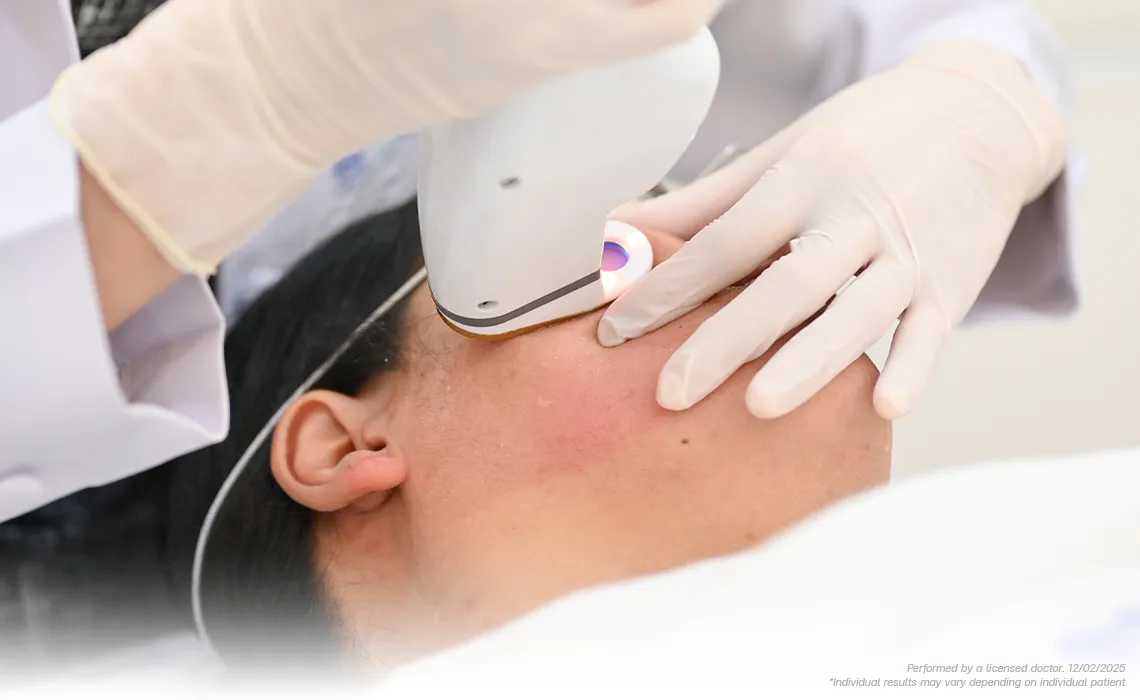
During the treatment, some individuals report feeling a snapping sensation as the laser targets the area. Clinical studies have explored patient responses, with some individuals undergoing the treatment without numbing cream or anesthetic. Experiences vary, and some report feeling minimal discomfort as the energy is directed beneath the skin.
Post-treatment
Immediately after the AviClear Laser Program, some individuals may notice mild redness in the treated area. Many individuals resume daily activities with minimal interruption.
How often is this treatment typically performed?
Changes in acne appearance may be noticed after the first session. The AviClear Laser Program is typically scheduled over three sessions, with four-week intervals between each, based on the advice of doctors and individual treatment plans.
Reference:
Asai Y, Baibergenova A, Dutil M, Humphrey S, Hull P, Lynde C, et al. Management of acne: Canadian clinical practice guideline. Can Med Assoc J. 2016;188(2):118-126.
Perkins A, Maglione J, Hillebrand G, Miyamoto K, Kimball A. Acne vulgaris in women: prevalence across the life span. J Womens Health (Larchmt). 2012;21(2):223-30.
Zhu Z, Zhong X, Luo Z, Liu M, Zhang H, Zheng H, et al. Global, regional, and national burdens of acne vulgaris in adolescents and young adults aged 10-24 years from 1990 to 2021: a trend analysis. Br J Dermatol. 2024.
Rusciani A, Ricci F, Curinga G. Acne Scar Treatment. In: Dermatologic Surgery. Springer; 2015. p. 1073-1080.